Réserver une imagerie médicale

Choisissez l'imagerie requise ou téléchargez une ordonnance.

Réservez en ligne facilement Appelez-nousAppelez-nous
Télécharger une ordonnance d'imagerie

Ou choisissez l'imagerie requise

Réservez en ligne facilement Appelez-nousAppelez-nous

Pourquoi réserver des imageries avec CliniDo?

Step 1

Nous travaillons avec les meilleurs centres d'imagerie agréés.

Step 1

Vous recevrez des rapports rapides et précis, même sur WhatsApp.

Step 1

Des prix compétitifs et la possibilité de comparer les offres.

CliniDo Votre Compagnon de Santé vous offre

FAQ

There are several types of medical radiology, each using various techniques depending on the examination. Common imaging methods include X-rays, CT scans, ultrasound (sonar), magnetic resonance imaging (MRI), and nuclear scans.

Yes, each type of medical radiation requires different preparations—such as fasting for a certain number of hours or drinking water—and the specialist will provide you with specific instructions based on your individual condition to ensure that you are fully prepared for the examination.

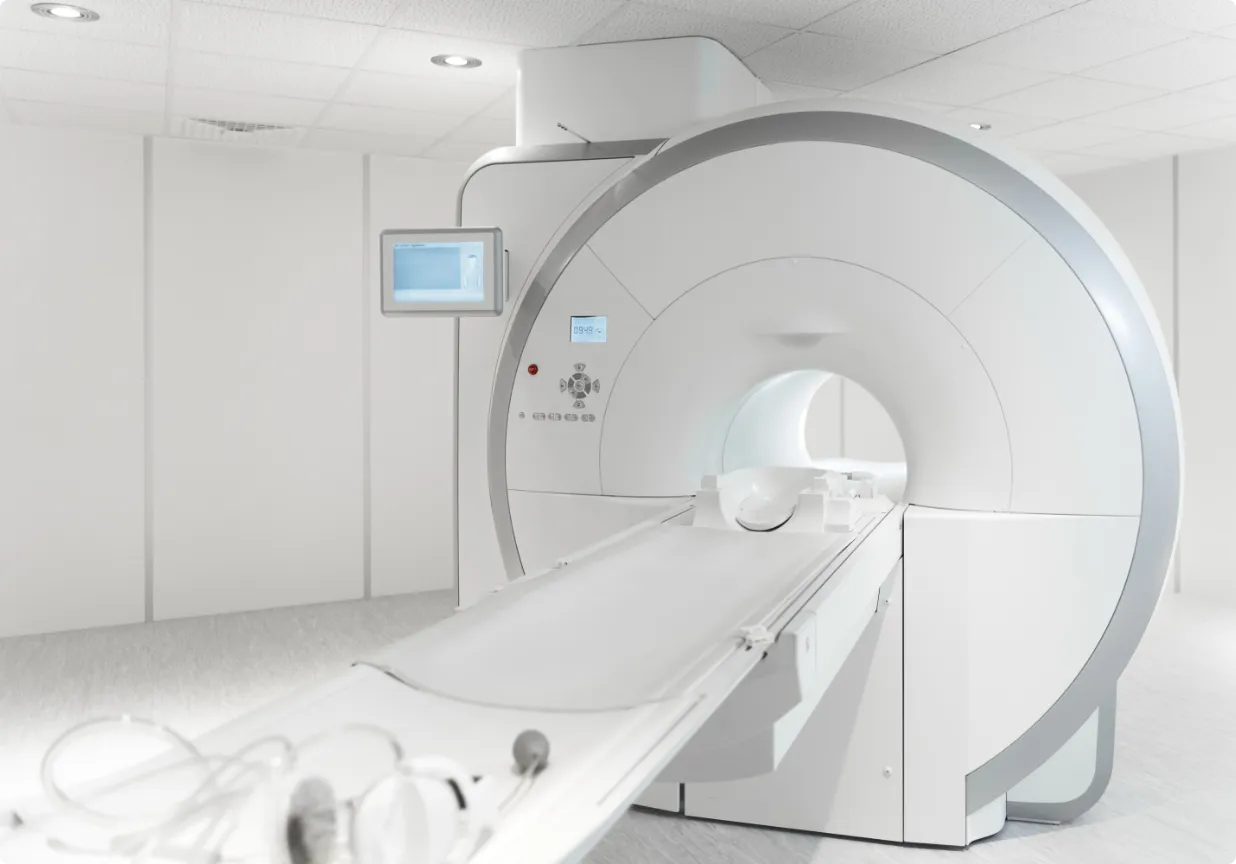
MRI provides clearer images of soft tissue and is therefore used to diagnose tumors, clots, brain injuries, herniated discs, torn ligaments, and joint and blood vessel problems.

No, there is no pain because the device simply takes accurate pictures while you are inside it. You may hear some sounds around you, which is completely normal. The staff is trained to make you feel completely comfortable and relaxed throughout the examination.

CT scans are faster to perform and are used for emergency, bone fractures, and abdominal examinations, while MRI takes longer and is used to image soft tissues, nerves, and tumors with greater accuracy. Your doctor will determine the appropriate type of scan for your condition.

When regular X-rays are insufficient for diagnosis, the doctor orders a CT scan to examine tumors, bone fractures, and heart disease, and an abdominal examination to diagnose diseases and identify kidney and gallstones.

Ultrasound is safe for fetuses and does not cause any harm. It uses sound waves, which do not emit radiation, making it a completely safe examination. As a result, ultrasound is the internationally approved method for monitoring the health of pregnant women and children without any restrictions.

The most important precautions after a nuclear scan are to remove radioactive material quickly. Therefore, drink plenty of water and fluids to wash your body, and temporarily stay away from young children and pregnant women for 24 to 48 hours. It is also important to wash your hands thoroughly after using the toilet to avoid transmitting any radioactive traces.

A mammogram cannot definitively determine the type of tumor, whether benign or malignant. While mammograms are effective for the early detection of tumors, a biopsy is necessary to accurately identify the type of tumor, a doctor takes a sample of the tumor tissue for examination.

Booking an appointment is easy. First, select the type of X-ray you need and specify your location. Then, you can either confirm the appointment with a click of a button or upload your prescription and provide your information and location. Once you do this, our team will contact you to confirm the details of your reservation.